Preconception Care: Before You Try
The 90 days before you conceive matter more than you ever imagined. A doctor-approved guide for couples planning a healthy pregnancy in Delhi NCR.

A healthy pregnancy doesn't begin the day you see two pink lines on a test. It begins months before — in the choices you make, the food on your plate, the breath you take in Delhi's air, and the conversations you have with your partner.
If you and your partner are considering starting a family, you've already taken the most important first step: thinking ahead. In a city like Delhi NCR — where late marriages, demanding careers, rising stress levels, and air quality concerns intersect — preconception care is no longer a luxury. It is, quite simply, the foundation of a healthier pregnancy and a healthier baby.
This guide walks you through everything you need to know — what to test, what to eat, what to change, and when to consult a fertility specialist in Delhi. Read it together with your partner. Save it. Share it. Because parenthood is a journey best prepared for, not stumbled into.
What Is Preconception Care?
Preconception care is the medical, nutritional, and lifestyle preparation a couple undertakes before trying to conceive. It involves identifying and managing existing health conditions, optimising fertility, and creating the healthiest possible environment for a future pregnancy — for both partners.
Think of it as building the soil before planting the seed. Strong soil. Healthy harvest.
Why Couples in Delhi NCR Need Preconception Care More Than Ever
Studies have repeatedly linked Delhi's air pollution (especially PM2.5) to reduced ovarian reserve, lower sperm quality, and a higher risk of miscarriage and low birth weight. Add to this the urban triad — long working hours, irregular eating, and chronic stress — and the case for early, structured preconception care becomes undeniable. The good news? Most of these effects are reversible with three to six months of focused care.
The 90-Day Rule: Why Timing Matters
Here's a fact most couples don't know: the egg that will become your baby starts maturing roughly 90 days before ovulation, and sperm takes about 72 to 90 days to fully develop. This means everything you eat, drink, breathe, and feel in the three months before conception directly shapes the quality of the egg and sperm that will create your child.
Three months. Ninety days. That's how much time you have to give your future baby the strongest possible start.
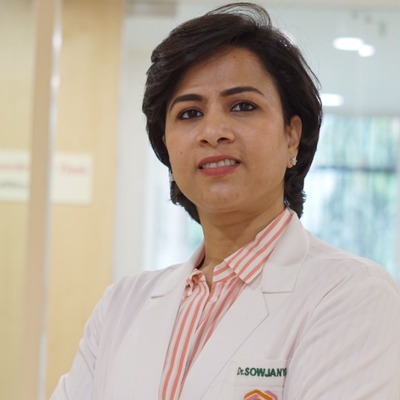
The healthiest pregnancies don't begin in the labour room. They begin three months before conception, with a couple sitting across from a doctor, asking the right questions. — Dr. Sowjanya Aggarwal, Director, Femmenest
The Complete Preconception Checklist
Here's what every couple in Delhi NCR should tick off before trying to conceive. Some you can do at home. Some need a gynaecologist or fertility specialist.
Book a Preconception Consultation
Schedule a visit with a gynaecologist at least 3 months before you start trying. They will review your medical history, current medications, family history of genetic conditions, vaccinations, menstrual patterns, and any previous pregnancies or losses. This single appointment can save you years of confusion later.
Get Essential Pre-Pregnancy Tests Done
Blood work, hormonal profile, infections screen, and a pelvic ultrasound form the baseline of preconception evaluation. We've broken down the full list below.
Start Folic Acid – Today, Not Later
Begin 400 mcg of folic acid daily at least three months before conception. Folic acid drastically reduces the risk of neural tube defects (like spina bifida) in the baby. Women with diabetes, epilepsy, or a previous affected pregnancy may need a higher dose — always confirm with your doctor.
Rebuild Your Plate
Build meals around iron-rich greens (palak, methi, sarson), seasonal fruits, dals, paneer, eggs, nuts, and seeds. Cut down on ultra-processed snacks, sugary drinks, and refined oils. A traditional Indian thali — done right — is one of the best preconception diets in the world.
Reach a Healthy Weight
Both being underweight and overweight can interfere with ovulation and pregnancy outcomes. Aim for a BMI between 18.5 and 24.9. Crash diets are a definite no — instead, focus on slow, sustainable changes guided by a nutritionist.
Move Daily, Sleep Deeply
30 minutes of moderate movement — walking, prenatal yoga, swimming — most days of the week supports hormonal balance and circulation. Equally important is 7–8 hours of restorative sleep. Both partners. Every night.
Quit Smoking, Alcohol & Recreational Substances
This applies to both partners. Smoking, alcohol, and recreational substances directly damage egg and sperm quality and dramatically increase miscarriage risk. The earlier you quit, the more your reproductive system can recover.
Tackle Delhi's Air, Indoors and Out
Use a HEPA air purifier at home, wear an N95 mask on high-AQI days, increase antioxidant-rich foods (amla, citrus fruits, berries, walnuts), and stay hydrated. Consider scheduling outdoor exercise for early mornings when AQI is comparatively lower.
Care for Your Mental Health
Chronic stress raises cortisol, disrupts ovulation, and can affect sperm count. Daily meditation, journaling, therapy, breathwork, or simply protecting your weekends — all of it counts. Mental wellness is reproductive wellness.
Update Your Vaccinations
Review your immunisation status — especially for rubella (MMR), varicella, hepatitis B, Tdap, and influenza. Some live vaccines need to be taken at least one month before trying to conceive.
Pre-Pregnancy Tests Every Couple Should Consider
Modern preconception screening goes well beyond a routine check-up. At Femmenest, we recommend the following baseline tests for couples planning pregnancy in Delhi NCR:
For the Woman
- CBC & Blood Group
- Thyroid profile (TSH, T3, T4)
- Blood Sugar & HbA1c
- Vitamin D & B12
- AMH (Ovarian Reserve)
- Pelvic Ultrasound
- Pap Smear & HPV
- Rubella, HIV, Hepatitis, VDRL
For the Man
- Semen Analysis
- CBC & Blood Group
- Blood Sugar & Thyroid
- HIV, Hepatitis B & C
Couples with PCOS, endometriosis, irregular cycles, recurrent miscarriages, low AMH, or known male-factor concerns may require additional, more advanced evaluations — including genetic carrier screening, hormonal panels, and DNA fragmentation tests.
A Note for Partners: Fertility Is a Two-Person Story
Almost 40–50% of fertility issues involve a male factor, yet preconception conversations in India still revolve disproportionately around the woman. Sperm health is just as influenced by sleep, smoking, alcohol, weight, stress, and exposure to heat (think laptops on laps and long hours in saunas).
If you're a partner reading this — show up. Get tested. Eat better. Sleep more. Stop smoking. The healthiest babies come from couples who walk in together, ready.

When to Consult a Fertility Specialist
You should consider seeing a fertility specialist in Delhi if:
- You are under 35 and have been actively trying for 12 months without success.
- You are 35 or older and have been trying for 6 months.
- You have irregular periods, PCOS, endometriosis, fibroids, or thyroid issues.
- You have a history of recurrent miscarriages or known low AMH.
- Your partner has a known sperm-related concern.
- You have undergone any previous reproductive surgery.
An early consultation never harms — it only saves time, money, and emotional bandwidth. At Femmenest, our preconception consultations are designed to be unhurried, transparent, and judgment-free.
Frequently Asked Questions
Ideally, begin preconception care at least 3 months (90 days) before you start trying. This is the time eggs and sperm take to mature, so changes you make today directly influence the quality of the egg and sperm that become your baby.
Essential pre-pregnancy tests include CBC, blood group & Rh, thyroid (TSH), blood sugar/HbA1c, Vitamin D, Vitamin B12, rubella & hepatitis screening, HIV, VDRL, AMH, pelvic ultrasound, and a Pap smear. For your partner, a semen analysis is also recommended. Your doctor may add tests based on your medical history.
Yes. Studies link prolonged exposure to PM2.5 with reduced ovarian reserve, lower sperm quality, and a higher risk of miscarriage. Couples in Delhi NCR are advised to use indoor air purifiers, wear N95 masks on high-AQI days, eat antioxidant-rich foods, and start preconception care earlier.
Most women are advised to take 400 mcg of folic acid daily for at least 3 months before conception, to reduce the risk of neural tube defects in the baby. Women with diabetes, epilepsy, or a previous affected pregnancy may require a higher dose — always consult your gynaecologist.
Femmenest – Centre for IVF & Gynaecology, located in Vaishali, Ghaziabad (Delhi NCR), offers comprehensive preconception evaluations led by Dr. Sowjanya Aggarwal and her team. We serve couples across East Delhi, Indirapuram, Vaishali, Vasundhara, Noida, and the wider NCR region.
Where dreams of motherhood begin
Ready to Begin Your Preconception Journey?
Book a confidential preconception consultation with Dr. Sowjanya Aggarwal at Femmenest — Delhi NCR's trusted destination for fertility, IVF, and women's healthcare.